Dive into Relaxation: A Simple Guide to Building a Liner Backyard Koi Pond

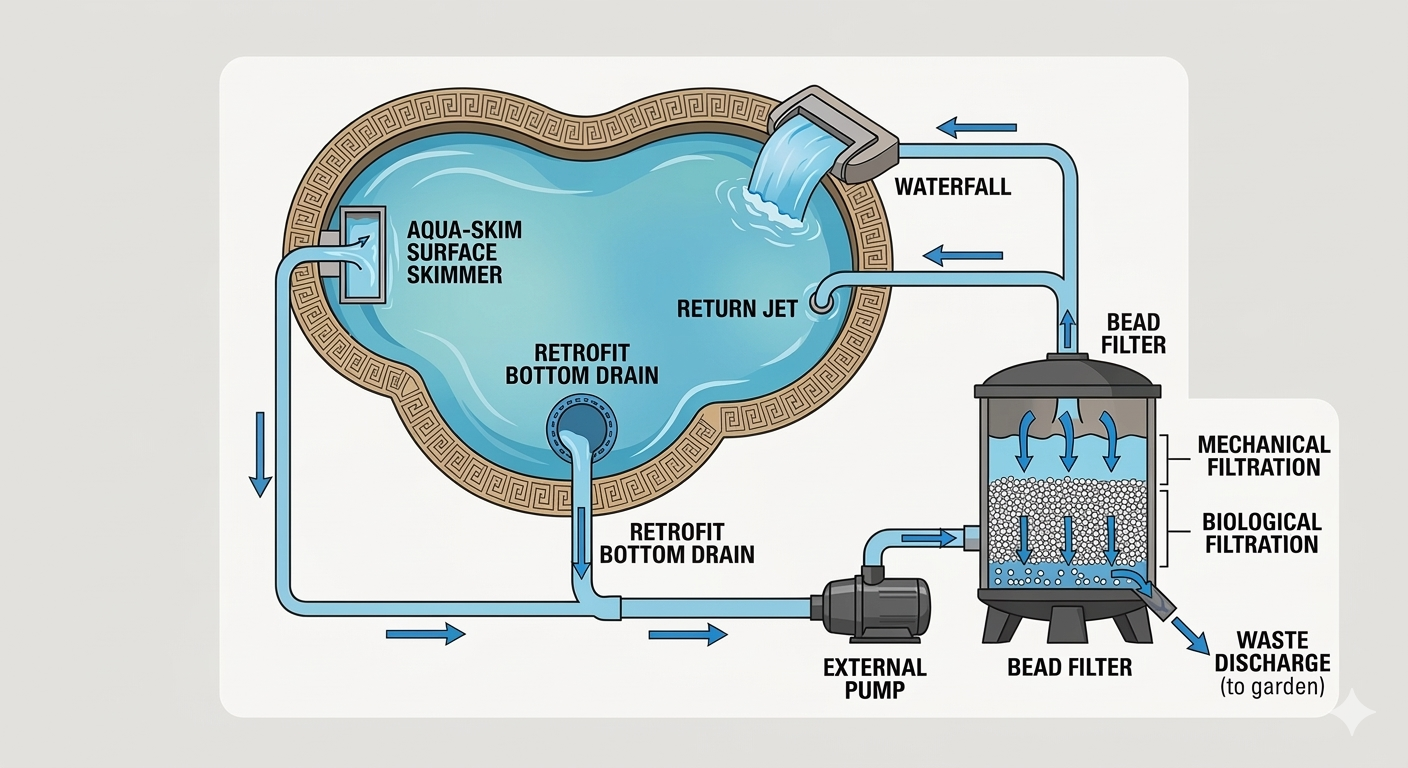
Imagine a serene, shimmering oasis right in your backyard, teeming with vibrant, graceful koi. Building your own koi pond is a rewarding project that brings peace and beauty to your outdoor space. In this post, we’ll guide you through creating a simple, effective pond system using a durable liner, a skimmer, a retrofit bottom drain, and a high-performance bead filter.
Why These Components?
- Liner: This is the foundation, providing a flexible, waterproof membrane to contain your pond water. EPDM or PVC liners are common choices, known for their durability and ease of installation.
- Skimmer: This clever device acts as your pond’s “mouth,” skimming debris like leaves, pollen, and even surface-skimming algae before they can sink and decompose. This keeps your water clear and reduces maintenance.
- Retrofit Bottom Drain: While traditional bottom drains are installed during initial construction, a retrofit drain can be added to an existing pond (or in this case, a newly built one). It effectively pulls water and debris from the bottom of the pond, preventing stagnant areas and removing heavier waste.
- Bead Filter: This is your pond’s “kidney,” providing both mechanical and biological filtration. Water is forced through a chamber filled with small plastic beads, which physically trap particles (mechanical) and provide a massive surface area for beneficial bacteria to thrive (biological). These bacteria break down harmful waste, ensuring crystal-clear, healthy water for your koi.
1. Plan and Design: This is crucial. Decide on the shape, size, and depth of your pond. Remember, koi need ample swimming space and depth for overwintering. Choose a location with a good balance of sun and shade, making sure you consider practicalities like access to electricity and water.
2. Dig It Out: Grab your shovel! Dig the pond to your desired shape and depth. Remember to create shelves for marginal plants and a deeper area for your koi to thrive.

3. Install the Liner: Smooth the excavation and lay down a protective underlayment to prevent punctures. Carefully drape your chosen liner over the area, ensuring it fits snugly and smooths out as much as possible. Secure the edges.
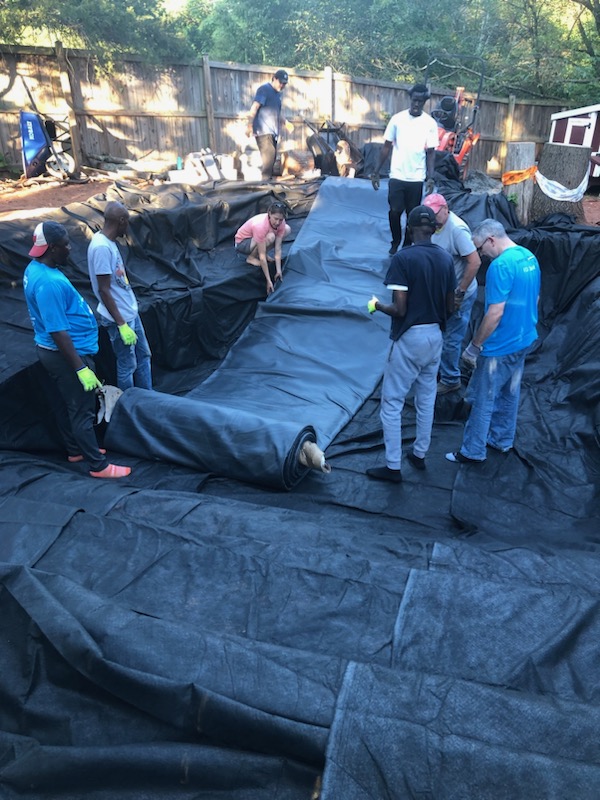
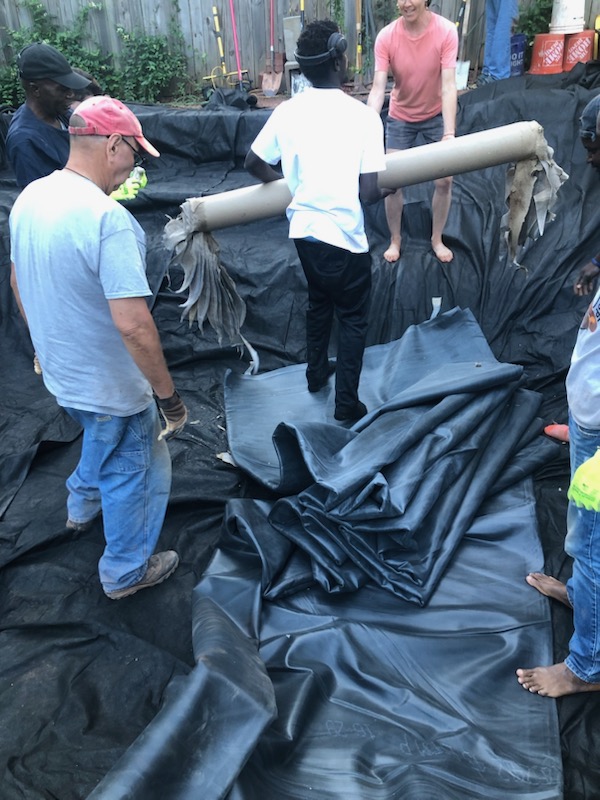
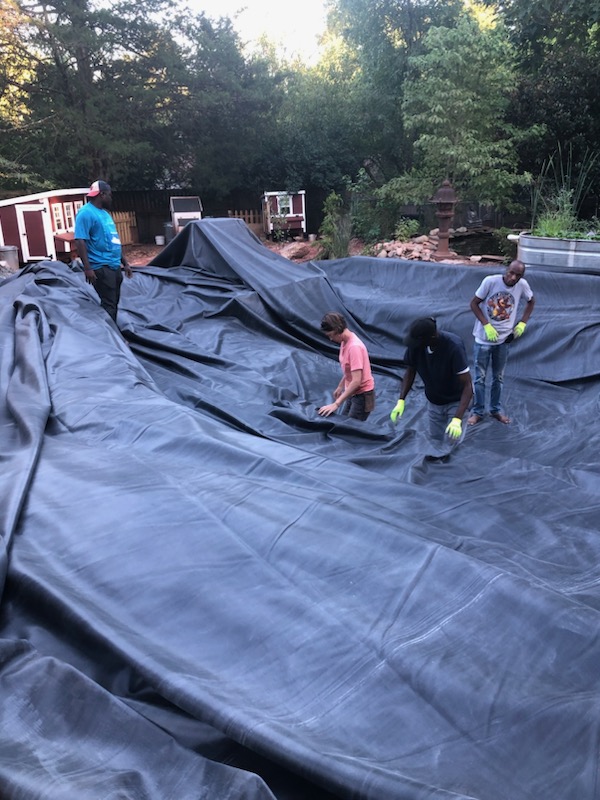
4. Incorporate the Skimmer: Choose a spot for your skimmer, ensuring it’s at the water level. Follow the manufacturer’s instructions to cut the liner and install the skimmer, securing it firmly.
5. Add the Retrofit Bottom Drain: Place the retrofit bottom drain in the deepest part of your pond. Run the necessary piping up and over the side of the liner, connecting it to your external plumbing system.
6. Connect the Plumbing: This is where the magic happens! Connect the plumbing from the skimmer and the bottom drain, bringing both lines together and leading them to your pump.
7. The Heart of the System: Bead Filter and Pump: Connect the main water line from the pump to the input of your bead filter. From the filter’s output, run a line to a waterfall, return jet, or simple aerator to return the cleaned water to the pond. Ensure you have a check valve to prevent backflow.
8. Power Up and Check: Before filling the pond, double-check all connections and ensure they’re secure. Prime the pump and filter, then slowly begin to fill the pond with water. Once it’s full, turn on the pump and admire your handiwork! Look for any leaks and adjust as necessary.
Your Simple Backyard Koi Pond Filtration System